
A party game of lies, moonlight, and murder.
5–20 players · phones in hand · one shared screen · no app install
A party game of lies, moonlight, and murder.
5–20 players · phones in hand · one shared screen · no app install
Ninety seconds. Every frame is real gameplay from a real game night.
Cursed Bloodlines started the way the best games do: one person trying to make game night better for the people they love. Werewolf was already our favorite — but somebody always had to sit out and moderate, the rules took twenty minutes to teach, and the night phase dragged while everyone "closed their eyes."
So I built this. A narrator with a voice like a campfire ghost story. Phones that light up all at once so nobody can tell the Seer from a Farmer. Dreams that give the innocent something to lie about. A village that runs itself, so everyone gets to play — including me.
My friends and family fell in love with it. Now it's yours too — in the hope that your table gets as loud, as suspicious, and as ridiculous as ours does.
One screen on the TV. Everyone else scans a QR code and joins on their phone — no downloads, no accounts, works on any phone with a browser.
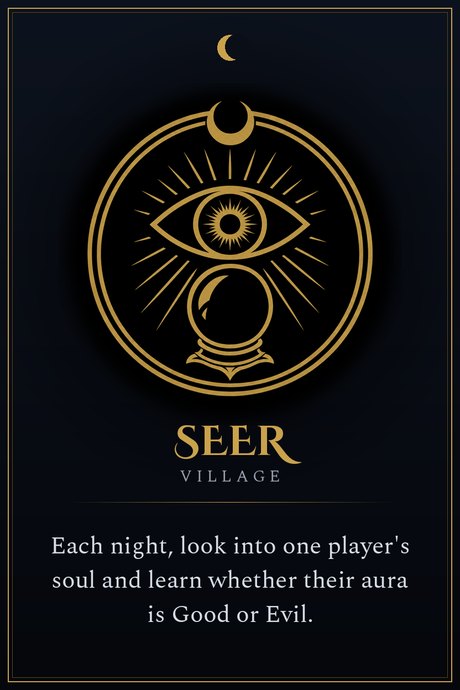
Every phone lights up at once. Wolves choose a victim, the Seer reads a soul, and the innocent dream — nobody can tell who is doing what.
Dawn breaks on the big screen. Accuse, argue, lie about your dreams — then send someone to the gallows and pray you chose well.
Players without night actions receive a private dream — one of hundreds. "I swear I'm the Farmer, I dreamed of the goat on the roof again." Was that a real dream… or a wolf improvising?
Everyone acts simultaneously with a shared countdown on every screen. Nights take a minute, not ten. The game never stalls on one distracted player.
Every vision, every clue, every result is written in your private journal — quote it word-for-word under pressure. Dreams are the exception: a dream lives only in your memory. Exactly like a liar's.
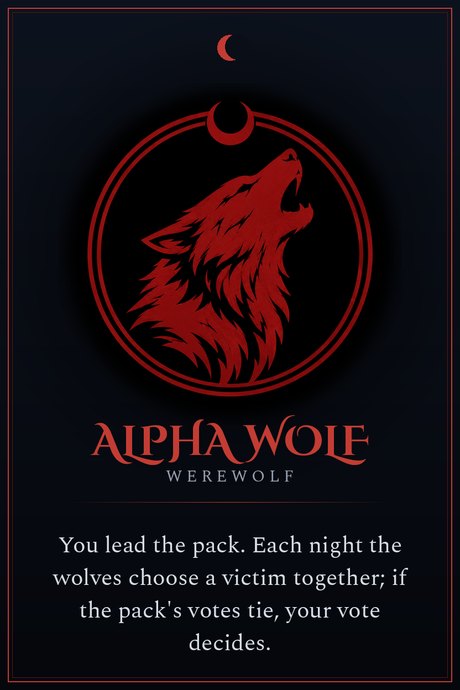
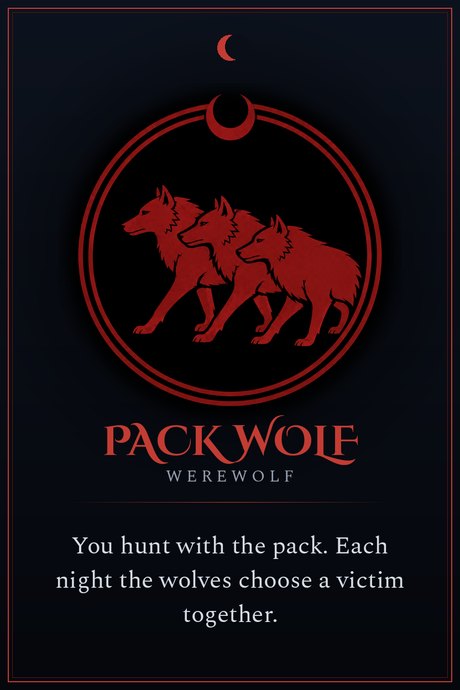
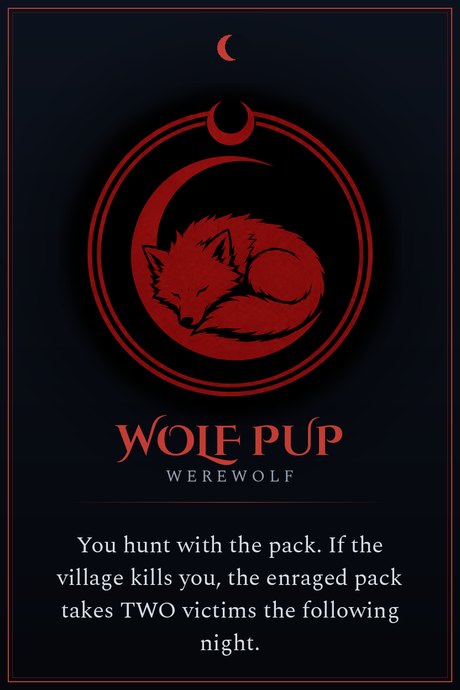
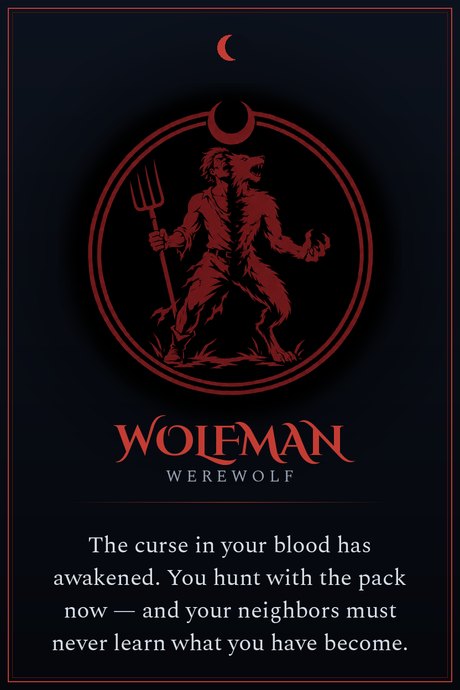
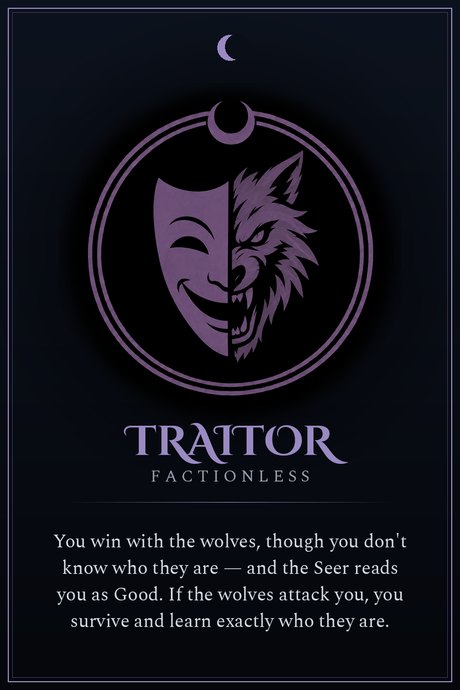
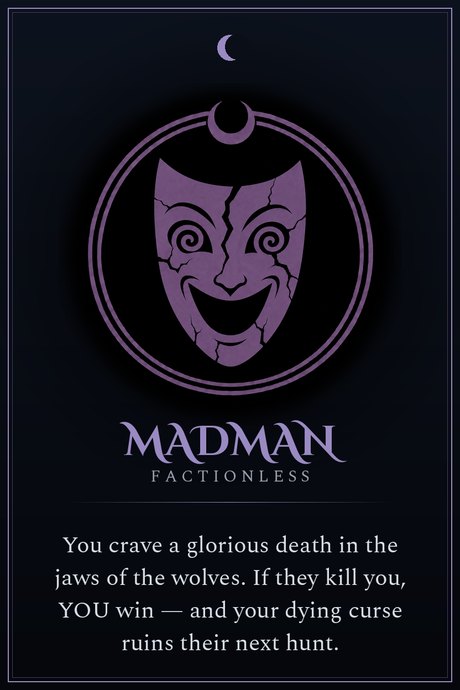
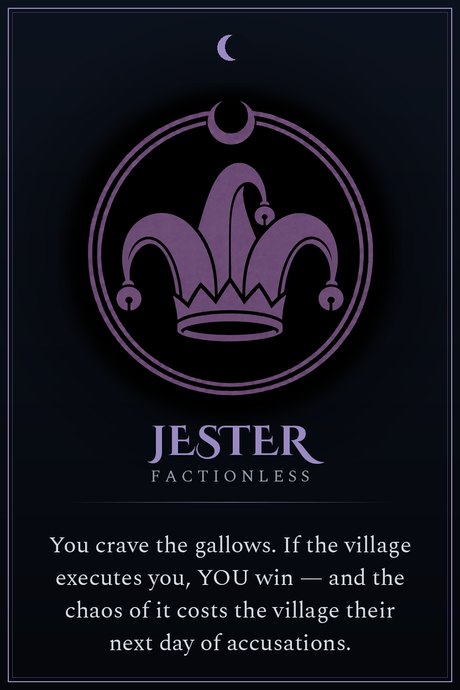
A pack that hunts together. A Jester who craves the gallows, a Traitor who serves a pack he cannot name, spirits that vote from beyond the grave, and a Madman who wants to be eaten. Nobody plays the same game twice.
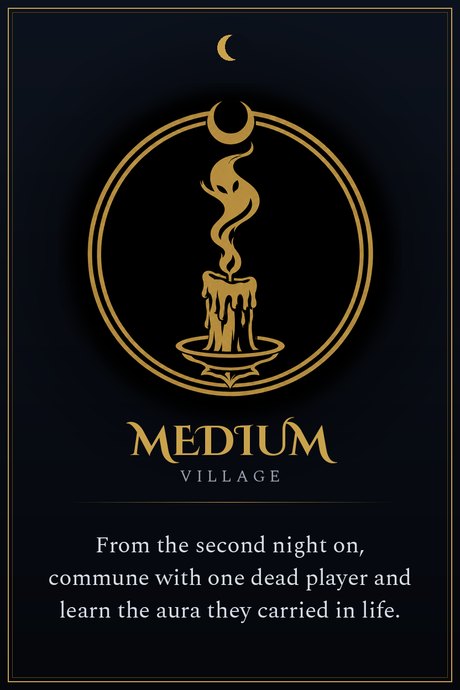
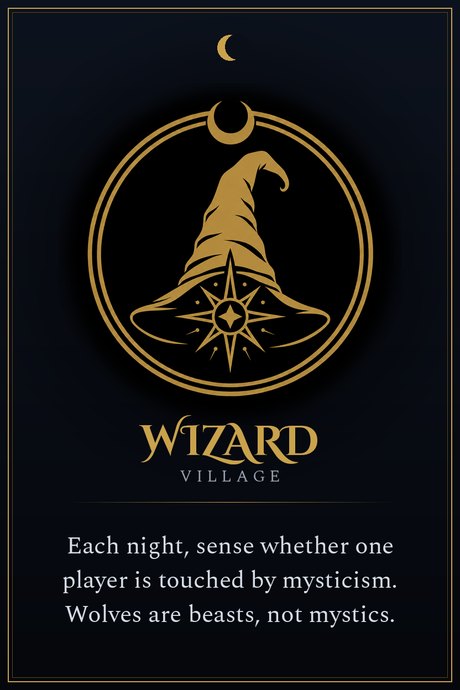
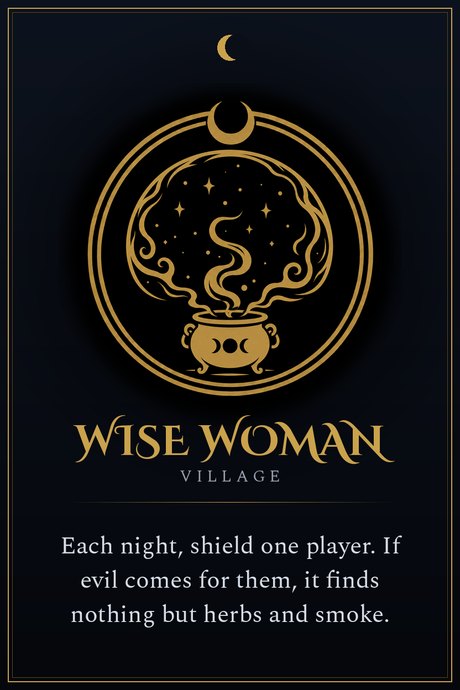
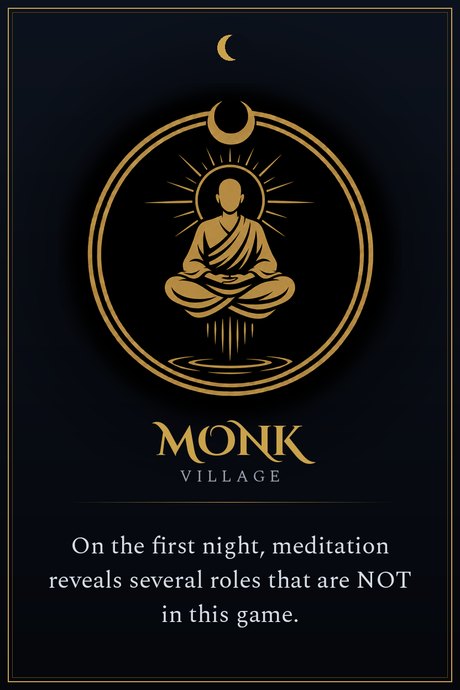
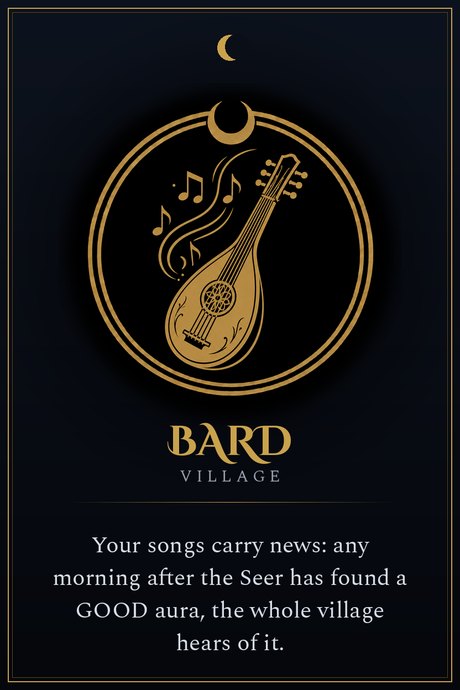
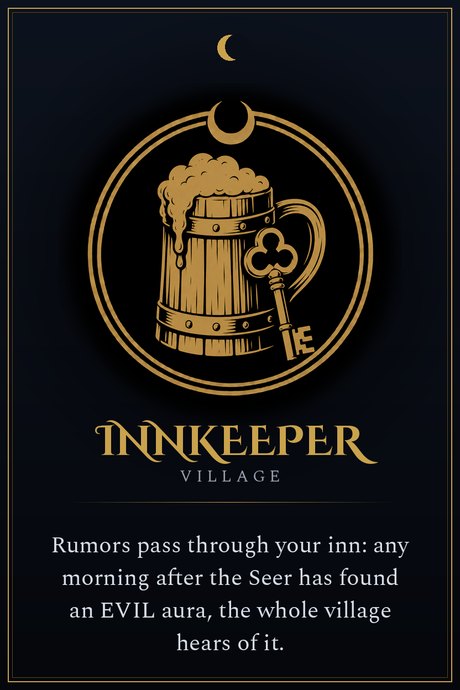
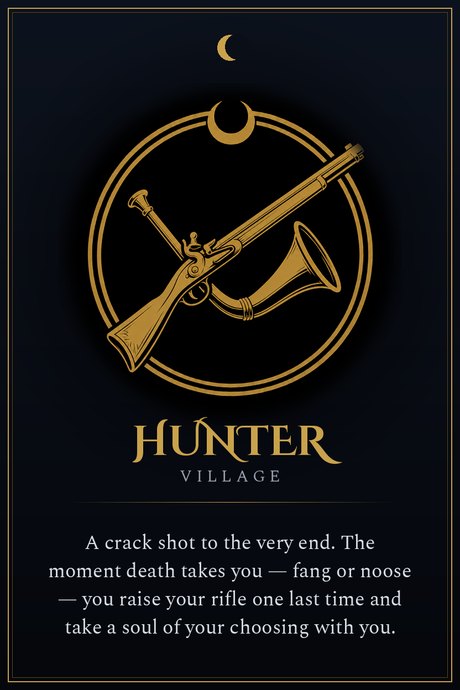
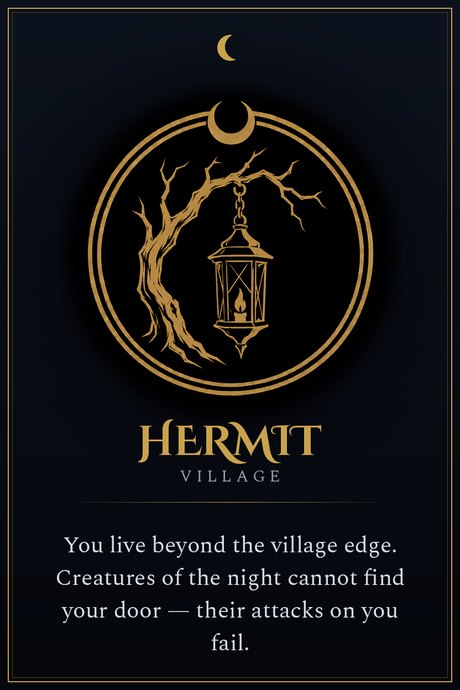
Every soul of the village — the nine marked ☾ are free to play in today's demo. The rest join the table in the full game.
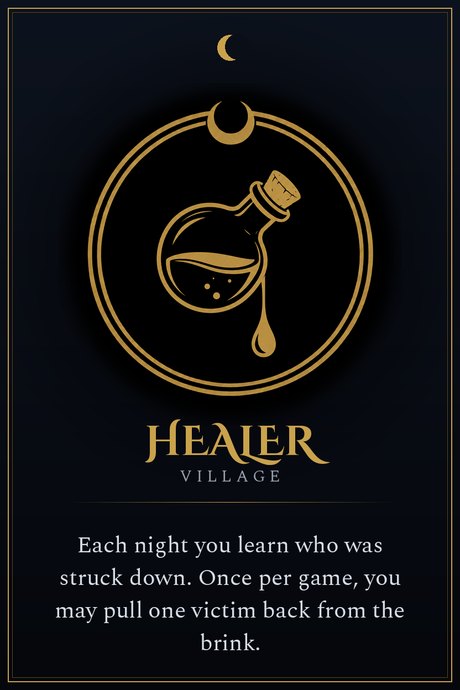
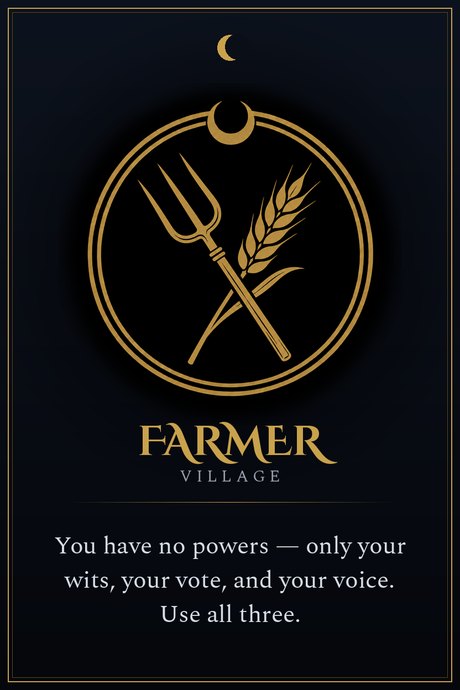
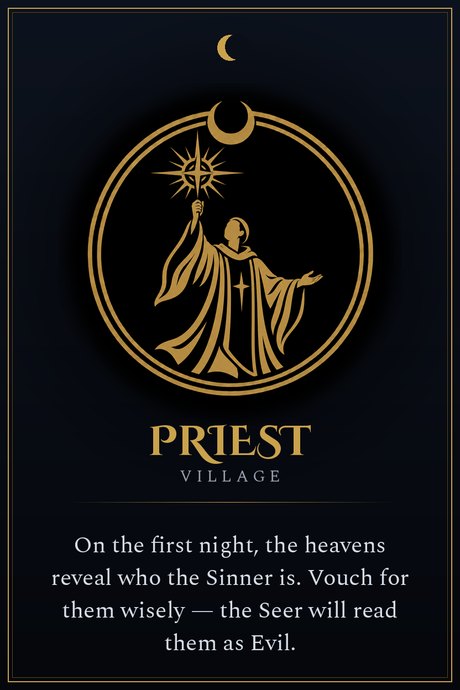
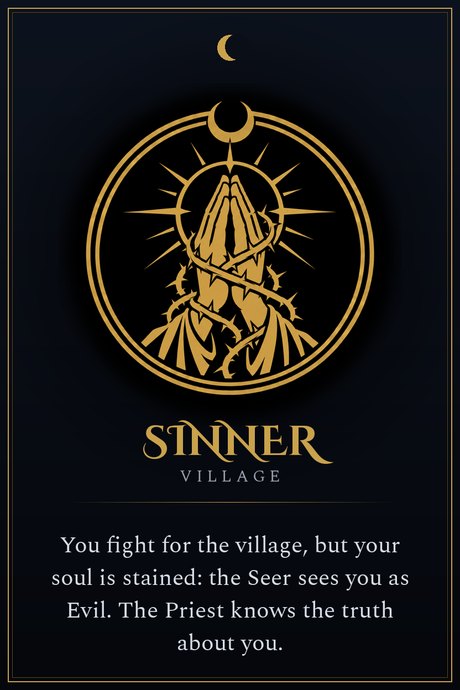
This game was built by one person with the tools at hand — and it's only the beginning. Every copy sold funds the next stretch of the road. The markers below are real goals with real numbers: commissioning working artists and voice actors, translating the game for more tables, and building the things we've dreamed about at ours.
No stretch-goal theater, no crowdfunding countdown. The game is finished and fun today — this is simply where the money goes as the village grows. As each marker funds, the work gets commissioned, and it ships to every owner as a free update.
Want to push the bar directly? Donations count dollar for dollar toward the same markers.
Statuses: ◇ upcoming · ◆ funded — in progress · 🖌 being made · ✓ live. Figures marked "estimated" await final quotes; everything else is a real quote.
One computer connected to a TV or projector, and a phone per player on the same Wi-Fi. No apps, no accounts — players join in their browser via QR code.
5 to 20. The game auto-balances roles to your player count; more players unlock more chaos.
No. A narrated tutorial teaches the whole table in about two minutes, every role gets its own spoken introduction, and your phone always tells you exactly what to do. The game moderates itself — nobody has to sit out and run it.
Today, mostly yes — that's what made it possible for one person to build a complete game with full narration, music, and art for every role. It was never the point of the project, and it isn't the destination either: the Road Ahead exists to replace it, piece by piece, with commissioned work from human artists and voice actors — shipped free to everyone who owns the game.
Yes. Darker moons are coming as affordable expansions — the first brings an undead faction that turns your neighbors against you — plus the bigger dreams on the roadmap: translations, an online version, and one day a sister game of Mafia. Follow the tracker above.
Straight into the roadmap fund, dollar for dollar — they fill the same tracker as sales and are shown separately on the counter. They pay artists, voice actors, and translators; they don't fund development.
The free demo is live — the public playtest is on. The full village comes to Steam next.